
Albums of the Week: 1975
50! 50 years old! *kick*

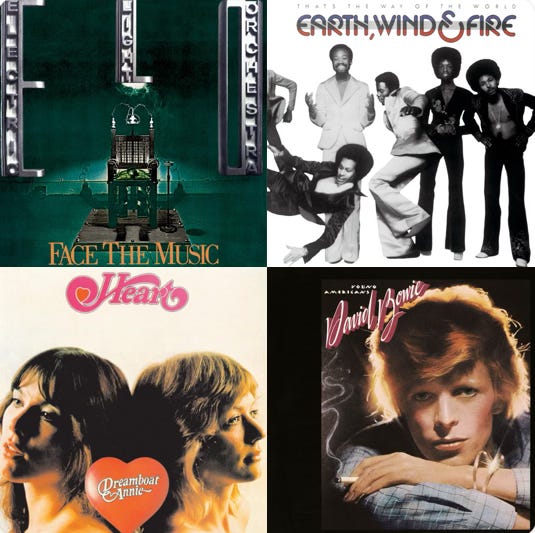
Last week I was listening to music from the ‘80s, which as you may recall, isn’t my favorite decade for music, so going back another ten years to 1975 was a breath of fresh air. The mid-to-late ‘70s are a really interesting time for music production in that it was just before digital recording became a thing, but analog recording techniques were at their peak. It’s this sweet spot where music sounded very natural and clear, without being so polished that they airbrush all the character out of the music. This week I listened to some records from 1975 to celebrate their 50th anniversary, and here are a few of my favorites.
1975 playlist can be found here. Click the name of each album to find them on Apple Music.
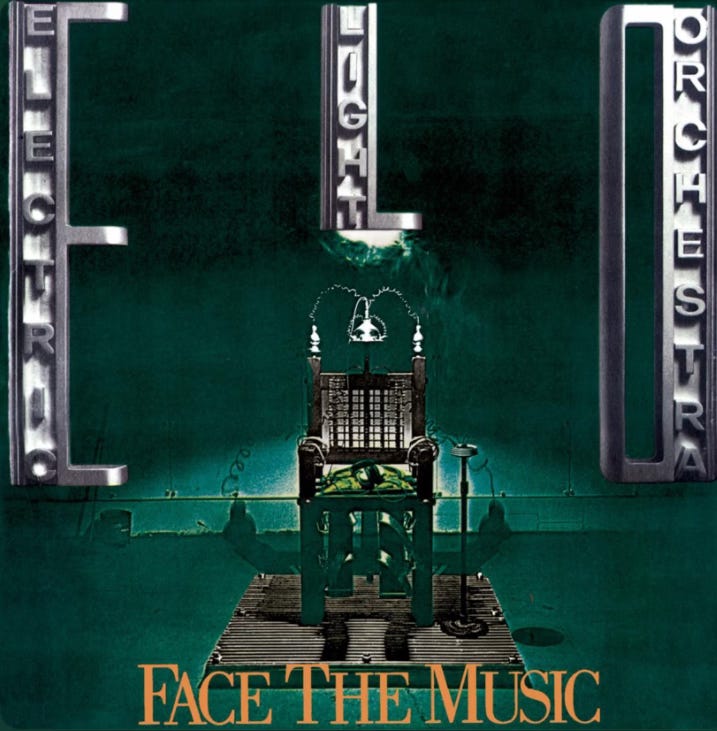
Electric Light Orchestra - Face the Music
For me, this is where ELO got really good. Their earlier albums have their moments, but this album is where I think they hit their stride. In their early days, ELO set out to combine rock n’ roll and classical music, and the way they use orchestral strings throughout Face the Music is very effective. The opening track, “Fire on High,” feels like an overture to an opera, and combines strings with electric guitars and drums. There is a fiddle solo about half way through which is a fun way to showcase the versatility of the violin as both a classical and folk instrument. If you’re looking for a great no-skips classic rock record, this one will do the job for sure.
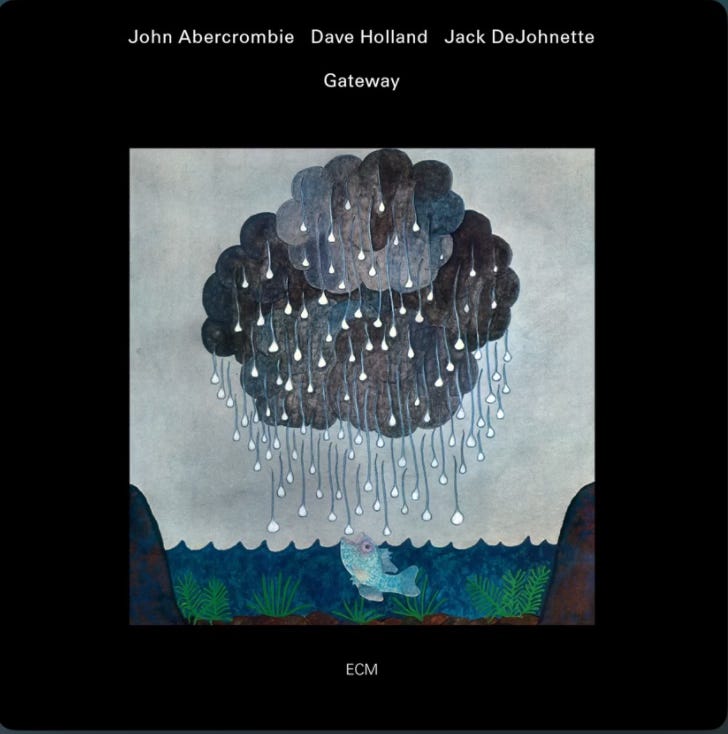
Something I’ve been thinking about a lot lately is the combination of mind and body in music. Some music can be highly intellectual, and while interesting, might not move you very much (and that can vary from person to person). Then there is music that makes you want to dance or hits you in the emotions, but might not be the most interesting or inventive thing. The best case scenario is when an artist manages to combine the two, and I’ve always felt that jazz is where this happens the most. Jazz musicians tend to be so on top of the technical elements of their playing that they can leave that stuff in the back of their minds, which frees them up to play without being inhibited by overthinking.
Gateway’s debut album strikes this balance between intellectual and visceral perfectly. Gateway is a jazz fusion trio consisting of John Abercrombie on guitar, Dave Holland on bass, and Jack DeJohnette on drums. The trio recorded two albums in the ‘70s, and then two final albums in the ‘90s. Their self-titled debut is fun and funky at times, complex and experimental at other times, and it’s a record I have a feeling I’ll come back to many more times.
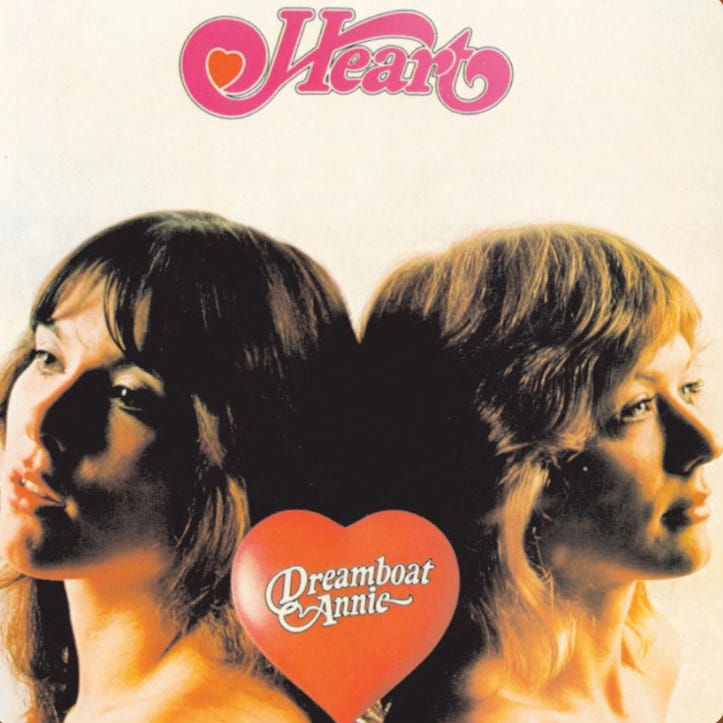
This album is so good it’s ridiculous. Ann Wilson’s vocals are mind-blowing on their own, but the way the band mixes folk-rock with heavy metal riffage takes things to another level. Nancy Wilson’s iconic fingerstyle acoustic guitar intro on “Crazy On You,” is a standout moment (especially with the stage presence of this live performance, which I have now watched like 9 times). This one is easily in my top 5 albums from 1975, and possibly one of the best debut albums ever.
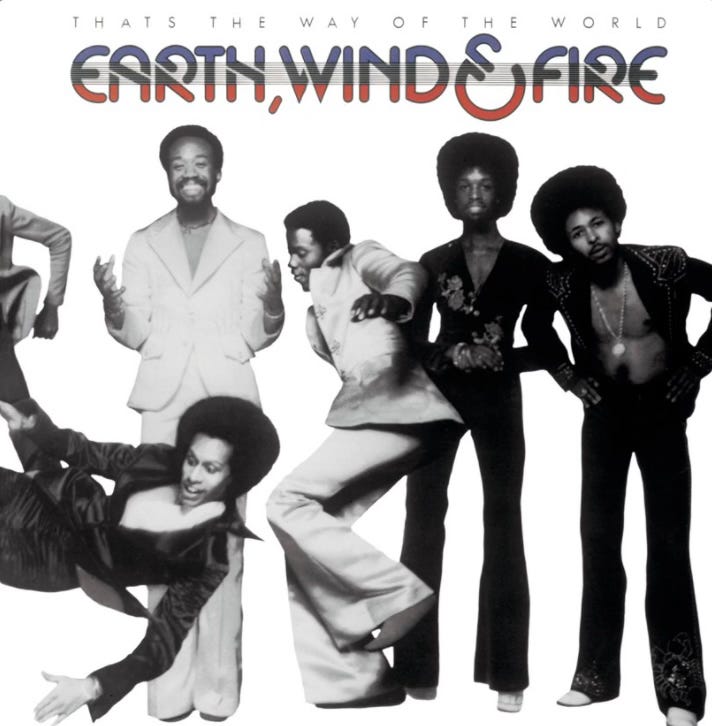
Earth, Wind & Fire - That’s The Way of the World
I don’t think there has ever been a band more joyful than Earth, Wind & Fire. It’s impossible to be in a bad mood while listening to this record. The best way to get out of a funk is to listen to some funk, in my opinion. Earth, Wind & Fire’s sixth album, That’s the Way of the World alternates between upbeat dance tracks like “Shining Star,” and “Happy Feelin’,” and slower ballads like, “Reasons,” and the title track, “That’s the Way of the World.” The vocal arrangements, the horn parts, the percussion… everything is spot on on this record. It’s also apparently the soundtrack to a movie of the same name where the band plays a fictional version of themselves. Might have to check that one out.
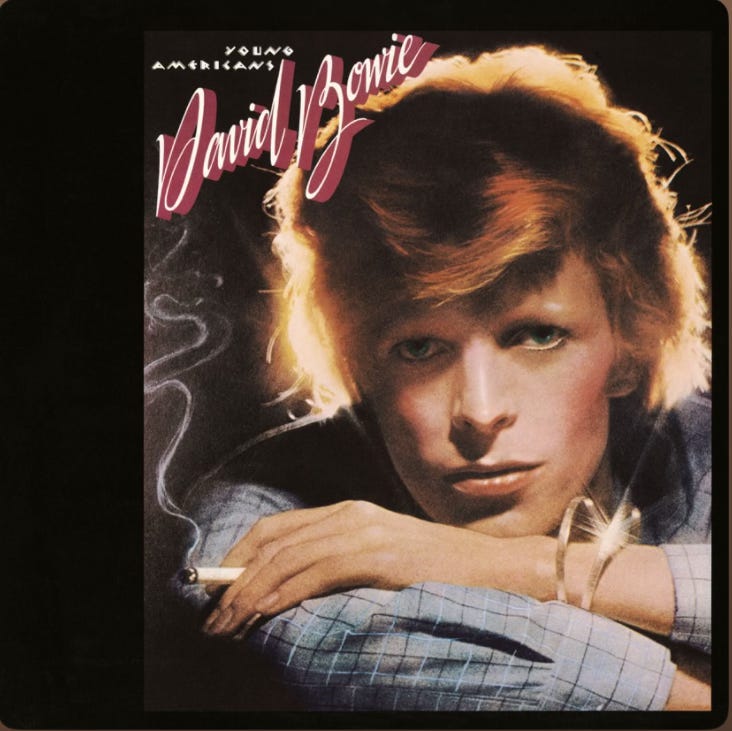
The fun thing about David Bowie records is you never know what you’re gonna get. Young Americans is Bowie’s ninth album in almost as many years, and he had reinvented himself/adopted various personas many times in that short period of time. This time around he goes in a more funky, soul/gospel direction, departing from the glam rock of his earlier records. Bowie himself referred to the style of this album as “plastic soul,” a term used to describe soul music that lacks authenticity. I’m curious if he really felt this way about the album or if he was just poking fun at himself. Whatever the style, Bowie always adds his own personal twist on everything he does, which is certainly the case on Young Americans.
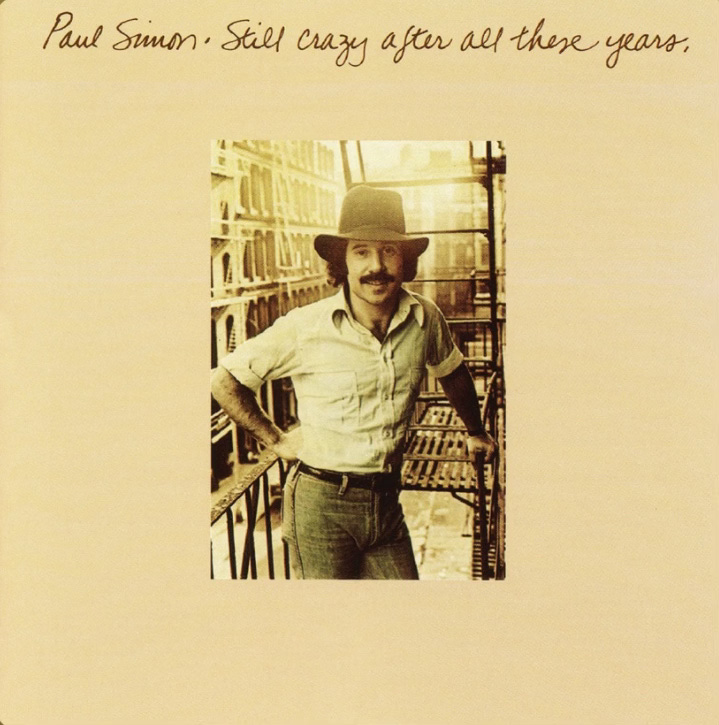
Paul Simon - Still Crazy After All These Years
What I love about this record is how Paul Simon experiments with more complex chord progressions, giving the album a little more of a jazz flavor than his earlier stuff. A lot of folk artists started incorporating jazz elements into their songs around this time, like Joni Mitchell, whose Hejira, released in 1976, is maybe the most stunning example of this. But you don’t have to be a music theory nerd to appreciate Still Crazy After All These Years. There are plenty of catchy tunes like, “50 Ways to Leave Your Lover,” “Gone At Last,” and the title track. I’ve always been more into his stuff with Art Garfunkel (who does make one appearance on this record), but this is probably my favorite Paul Simon solo album.
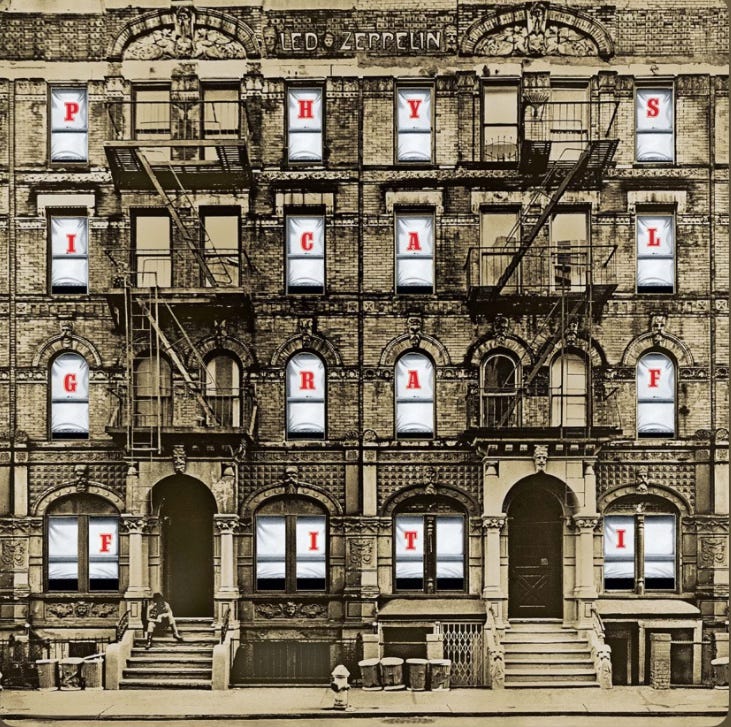
Led Zeppelin - Physical Graffiti
I had a couple Led Zeppelin CD’s as a kid, but I finally went through their whole discography about ten years ago, and that’s when I heard Physical Graffiti for the first time. “The Rover,” “Houses of the Holy,” and of course, “Kashmir,” have some of the best guitar riffs of all of Zeppelin’s career. “Trampled Under Foot,” goes in a more funk direction, and the 11-minute “In My Time of Dying,” features Jimmy Page playing some very expressive slide guitar while Robert Plant gives us some bluesy moaning vocals. Physical Graffiti is a double-album, and some of the cuts on the second disc are unreleased b-sides from older sessions. Their fourth album will always be my favorite, but this one might be a close second.
Those are the albums of the week this week. Next stop is 1965!